skipbins.net.auBox 6 of 6
Box 6 · Recovered
Recycled and reused materials
Sorted building waste can lawfully become a material again, but only by a recognised route. In Victoria, the routes include a waste determination, such as the one for recycled aggregates, and a declaration of use signed by the waste’s producer and its receiver; in Queensland, an end of waste code lets a registered producer supply a listed waste as a resource.
General information. Whether a material can be re-used depends on its specifications and on the conditions that come with each route. The regulators’ pages listed at the foot of this page have the detail.
6.1One skip, several ways out
EPA Victoria follows a skip of construction and demolition waste through its own examples. In them, the skip operator has two options for the load.
To a licensed landfill
The load is disposed of.
To a resource recovery site with a permission
The site processes the load and separates it, and each material then takes its own route.
- Metals are sold to a manufacturer in place of new material. Needs a declaration of use with the manufacturer.
- Untreated timber is shredded and used as mulch by a landscaper. Needs a declaration of use with the landscaper.
- Concrete is sold for use in infrastructure projects. No declaration needed: it is used under the recycled aggregates determination.
The first route is the one the waste management hierarchy prefers least. Victoria’s Environment Protection Act 2017 sets out that hierarchy, and EPA Victoria describes disposal to landfill as the least preferred option.
6.2Declarations of use
A declaration of use is a self-assessed agreement between the producer and the receiver of a waste, so that the producer can deposit the waste at a place authorised to receive it. It suits waste that will be used straight away, without further processing or storage.
- The producer declares
- What the waste is, its legitimate uses, its risks to human health and the environment and how to minimise them, and details of its quality and safety for the end user
- The receiver declares
- That the place receiving the waste is suitable to use it
- Covers
- One consignment, or a stated period of up to 12 months
- Kept for
- 2 years from the date it was made, by both parties, signed
- Not for
- Reportable priority waste that needs a permission to transport, or waste received for an activity that needs a permission
- Not needed
- Where a determination applies, such as the ones for recycled aggregates or fill material
If circumstances change after signing and make the declaration inaccurate, the party who learns of it tells the other as soon as practicable, and a new form is completed. The EPA can add conditions to a declaration, or revoke it, by written notice.
6.3Waste determinations
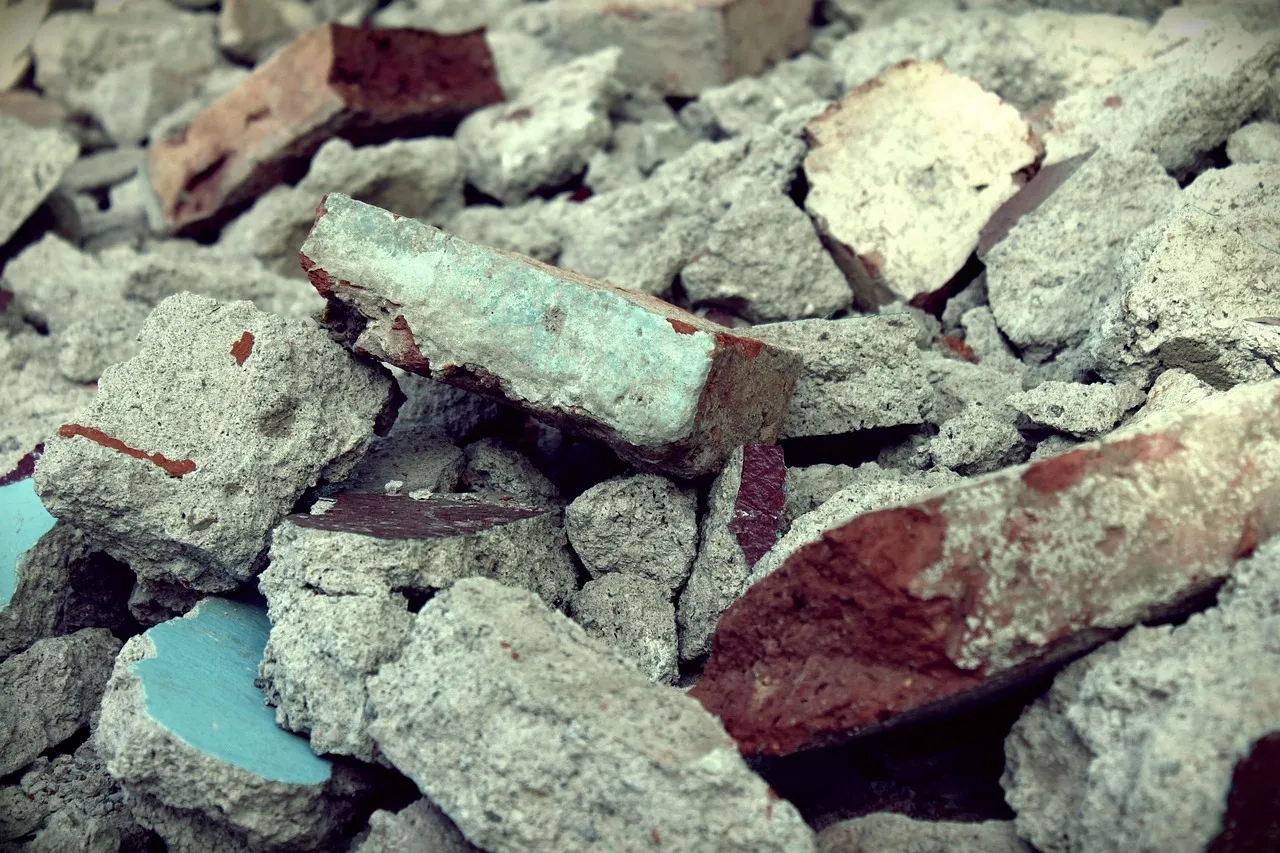
A waste determination sets the requirements under which a place is authorised to receive a particular type of waste. EPA Victoria’s current waste determinations cover fill material, recycled aggregates, processed organics, digestate, and livestock manure and effluent.
The conditions vary with the waste, and can limit when and how it is re-used, set physical, biological or chemical limits, and require testing and records. Both ends carry a duty: the receiver inspects the waste on arrival to make sure it is only the specified waste, and the generator makes sure it contains nothing else.
A determination does not replace a permission. A site storing or processing waste for resource recovery still needs one, and waste that does not meet a determination’s specifications has to find another lawful route.
6.4Queensland’s end of waste codes
An end of waste code sets the outcomes a registered resource producer must achieve for a waste to be deemed a resource, and the conditions for using it. A producer has to register with the department to operate under a code; until then, the material is still waste. People who use the resource do not need to register, unless the code asks them to notify the department.
Once a waste is approved as a resource under the framework, it is no longer treated as waste under section 8AA of the Waste Reduction and Recycling Act 2011. If it is not used in line with its code or approval, though, it is deemed waste again.
Several current codes cover materials that can come out of a building job: recycled aggregates, plasterboard, glass fines, returned concrete, and chemically treated solid timber.
6.5Where it starts: the skip itself
Recovery starts with the load. Under a Victorian determination, the generator is responsible for making sure the waste holds nothing but the specified waste. And anyone in Victoria who manages priority waste, such as treated timber or e-waste, has a duty to look into alternatives to disposal, and the EPA suggests keeping a record of the steps taken.
In practice, that makes it worth asking a hire company whether it offers separate skips, or sorting, for concrete, metal and clean timber. This is this guide’s suggestion, drawn from the routes above.
The other boxes on this form
- Box 1 · Your duty for your waste
- Box 2 · Illegal dumping
- Box 3 · Checking a waste business
- Box 4 · Waste levies by state
- Box 5 · Building site waste plans
- skipbins.net.au home