skipbins.net.auBox 2 of 6
Box 2 · Dumping
Illegal dumping
Illegal dumping means leaving waste somewhere that is not allowed to receive it, and each of the three states below takes reports, mostly online. Where the line falls, and who takes the report, differs from state to state; the three below are New South Wales, Victoria and Queensland.
General information. Thresholds, fines and reporting channels are each state’s own, as at October 2026. The agency pages listed at the foot of this page have the current detail; this page is not legal advice.
2.1Where each state draws the line
| State | What counts | Where to report | By phone |
|---|---|---|---|
| New South Wales | A small-scale offence (section 144AE) covers depositing more than 50 litres or 50 kilograms of litter or waste in a public place or an open private place. Sections 143 and 144 cover waste that is unlawfully transported, accepted or deposited. | RIDonline, the EPA’s online reporting service. The local council is sent an email alert so it can respond. | If it includes toxic fumes or a large chemical spill, the NSW EPA says to “call 000 and report it immediately”. If the dumped waste is an immediate threat to human health or the environment, call the EPA Environment Line on 131 555. |
| Victoria | Dumping, abandoning or burying any kind of waste at a place not authorised to accept it, including private land. | EPA Victoria, online, for waste such as industrial and building waste, garden waste and soil, tyres and chemicals. Your local council for household items, or waste dumped on residential or council land. | EPA Victoria’s 24-hour pollution hotline, 1300 372 842. |
| Queensland | Unlawfully depositing 200 litres or more of waste, about a wheelie bin’s worth. Deposits over 2,500 litres attract higher penalties, and leaving items on the footpath outside collection days, or outside a charity bin or shop, also counts. | The Queensland Government’s online littering and illegal dumping form, your local council, or by email. | 13 QGOV (13 74 68), to have a copy of the reporting form sent to you. |
EPA Victoria concentrates on hazardous and large-scale illegal disposal, and forwards reports about other dumped waste to councils and other agencies.
2.2What to note down
The agencies ask for much the same details. Combining EPA Victoria’s list with Queensland’s, a useful report has:
- where the waste is, as exactly as you can: an address, the nearest intersection or landmark, or GPS coordinates
- what was dumped, and roughly how much
- when it was dumped, and whether it has happened there before
- anything that could identify who did it, such as a number plate, or the make, model and colour of a vehicle
- photos, if you can take them safely
Queensland adds two cautions: do not approach the person depositing the waste, and do not disturb a dump site, because it may hold hazardous material and disturbing it can spoil the evidence. It also suggests keeping your notes, even if they are on a scrap of paper, in case you are asked to refer to them in court.
You can report to EPA Victoria anonymously, though it then cannot send you updates or contact you for more information.
2.3Fines, as at October 2026
Both states publish tiered penalties: an on-the-spot fine, and a higher maximum if the matter goes to court. A selection for individuals:
| Offence | On-the-spot fine | Most a court can impose |
|---|---|---|
| NSW, small-scale dumping on public land or an open private place | $1,000 | $25,000 |
| NSW, small-scale dumping in a sensitive place (defined in section 144AD) | $2,500 | $50,000 |
| NSW, larger-scale strict liability dumping | $15,000 | $500,000, plus up to $120,000 a day for a continuing offence |
| Queensland, dumping less than 2,500 litres (1 July 2026 to 30 June 2027) | $2,763 | $69,080 |
| Queensland, dumping more than 2,500 litres (1 July 2026 to 30 June 2027) | $3,454 | $172,700, or twice the waste levy avoided if that is greater |
Corporations face higher amounts in both states. In NSW, the maximum penalty for larger-scale dumping doubles when the waste contains asbestos, and wilfully disposing of waste in a way that harms or is likely to harm the environment can bring an individual up to $2,000,000, seven years in prison, or both. Victoria’s EPA says there are penalties for not meeting the waste duties, without listing amounts on its dumped waste page.
2.4Free fill that turns out to be waste
Dumping also arrives at the door. The NSW EPA warns that fill offered free or cheaply to property owners can turn out to be contaminated with building and demolition waste, chemicals, heavy metals or asbestos, and that an owner who accepts contaminated waste onto their land can be breaking the law and left with the clean-up bill.
Its campaign sets out four steps, summarised here in order:
Check before you start
Ask your council whether filling is allowed; it may need to approve it. Without approval, the council or the EPA can order the owner or occupier to remove the fill and pay for its proper disposal.
Ask questions and keep records
Get the supplier’s full contact details and ABN, a written report on the fill’s quality and where it came from, and test results if you have doubts. Keep the emails, quotes and invoices.
Supervise delivery
Inspect every load as it arrives, stage the deliveries, ask drivers where the fill came from and note their details and truck registration. Stop accepting fill that contains asbestos, bricks, concrete, wood, glass or plastic, looks an odd colour or smells bad, and keep the property locked when you are away.
Understand the risks
For disposing of fill illegally, the EPA lists penalties of up to a $45,000 on-the-spot fine, $10 million in court fines and 7 years in prison.
If you suspect someone is doing the wrong thing with fill in NSW, the EPA’s number is 131 555.
The national Asbestos and Silica Safety and Eradication Agency says it is “not recommended that you handle or remove asbestos yourself”, because a professional makes the job easier and safer, and often cheaper too. It adds that all asbestos waste has to go to a landfill site licensed to accept it, and that you could be fined for putting asbestos in a domestic rubbish bin.
2.5When the dumper is someone you paid
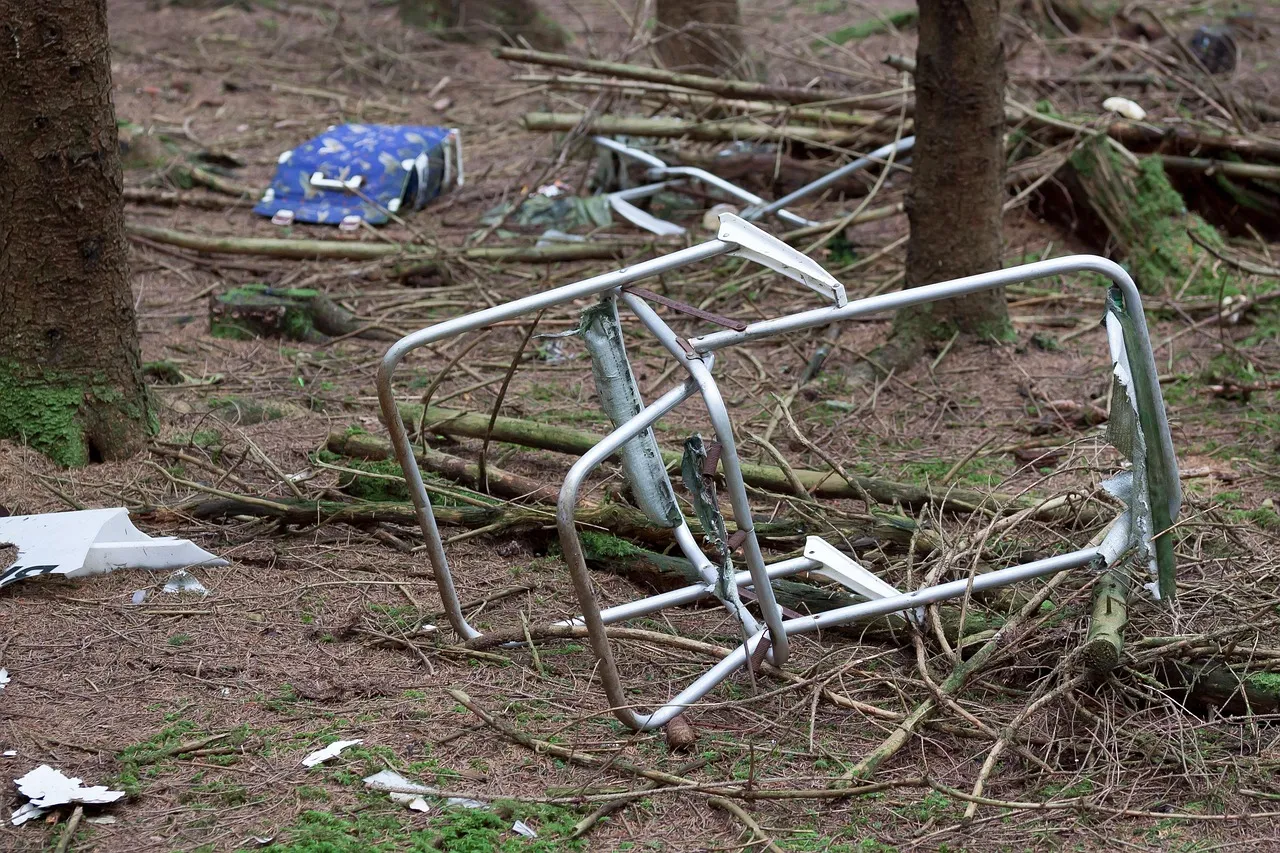
The NSW EPA includes in its description of illegal dumping the businesses or contractors who are paid to dispose of commercial waste properly and dump it on land instead.
The money is the motive. EPA Victoria says people often dump building rubble, asbestos and contaminated soil so they do not have to pay waste levies, and that operators who dump waste pocket a levy meant to cover its safe processing.
That is why the duty in Box 1 reaches back to you, as the opening of this guide’s home page explains. Box 3 covers the check to make before the skip leaves.
The other boxes on this form
- Box 1 · Your duty for your waste
- Box 3 · Checking a waste business
- Box 4 · Waste levies by state
- Box 5 · Building site waste plans
- Box 6 · Recycled and reused materials
- skipbins.net.au home